

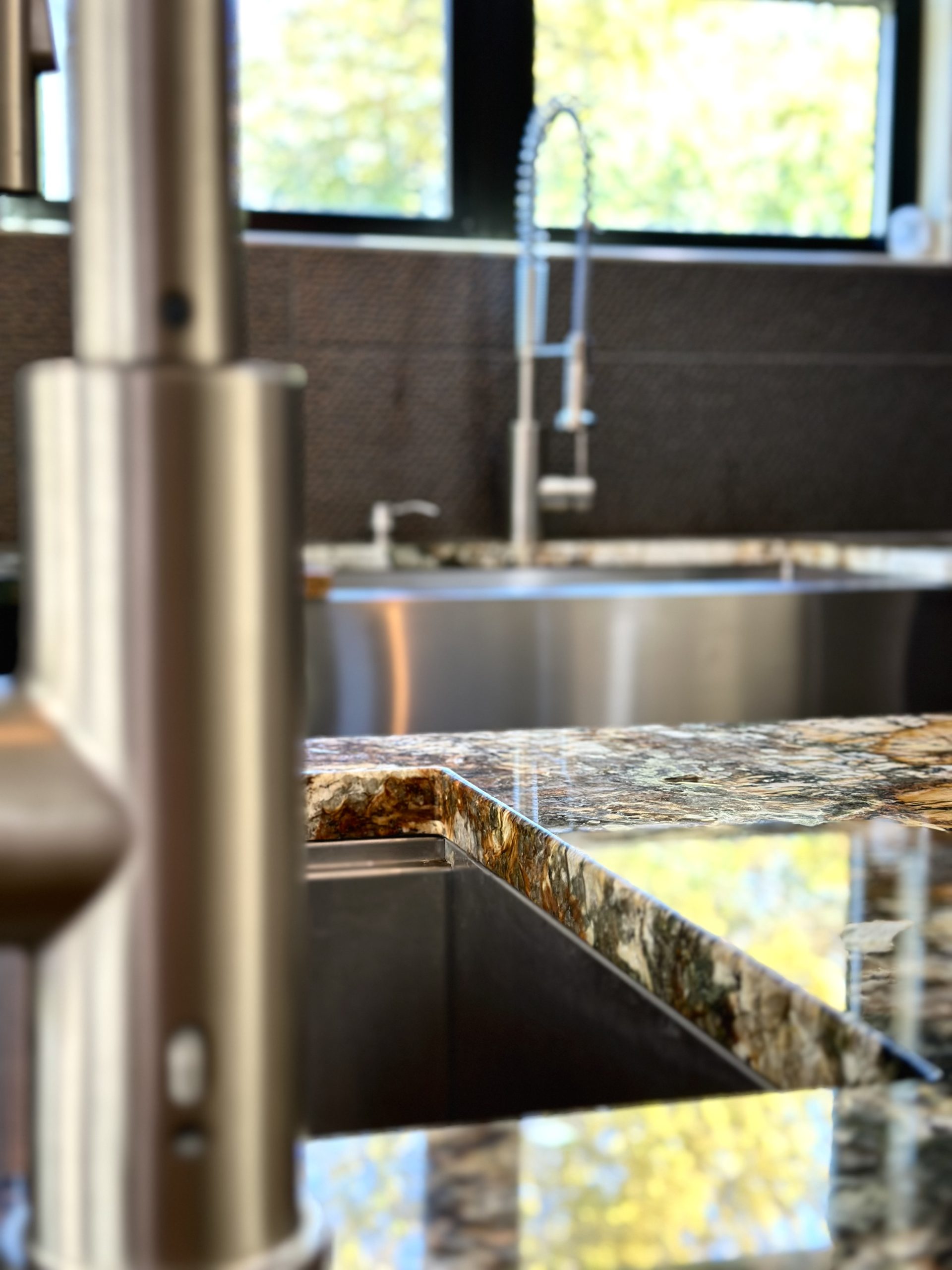
Granite is one of the most popular materials for kitchen countertops, bathroom vanities, and other home improvement projects. Its natural beauty, impressive durability, and wide variety of colors make it an excellent choice for homeowners looking for a surface that combines functionality with timeless style. But where does granite actually come from, and where can you purchase it for your next renovation?
You can get granite from specialized stone suppliers, countertop showrooms, natural stone distributors, and professional countertop fabricators. These businesses typically offer access to granite slabs sourced from quarries around the world, allowing homeowners to compare different colors, patterns, and finishes before making a decision.
If you are researching granite stores Indianapolis, IN, understanding where granite comes from and how to choose a reliable supplier can make the purchasing process much easier.
At Granite Depot of Indianapolis, we help homeowners explore natural stone options, select granite slabs, and create beautiful countertops through professional fabrication and installation. Let’s take a closer look at where granite comes from, how it reaches local showrooms, and what you should know before purchasing it.
Where Does Natural Granite Come From?
Granite comes from natural deposits located around the world. It is an igneous rock formed deep within the Earth’s crust when molten magma cools and crystallizes over millions of years.
Its mineral composition typically includes quartz, feldspar, and mica. These minerals create the distinctive colors, textures, and patterns that make granite such a recognizable natural stone.
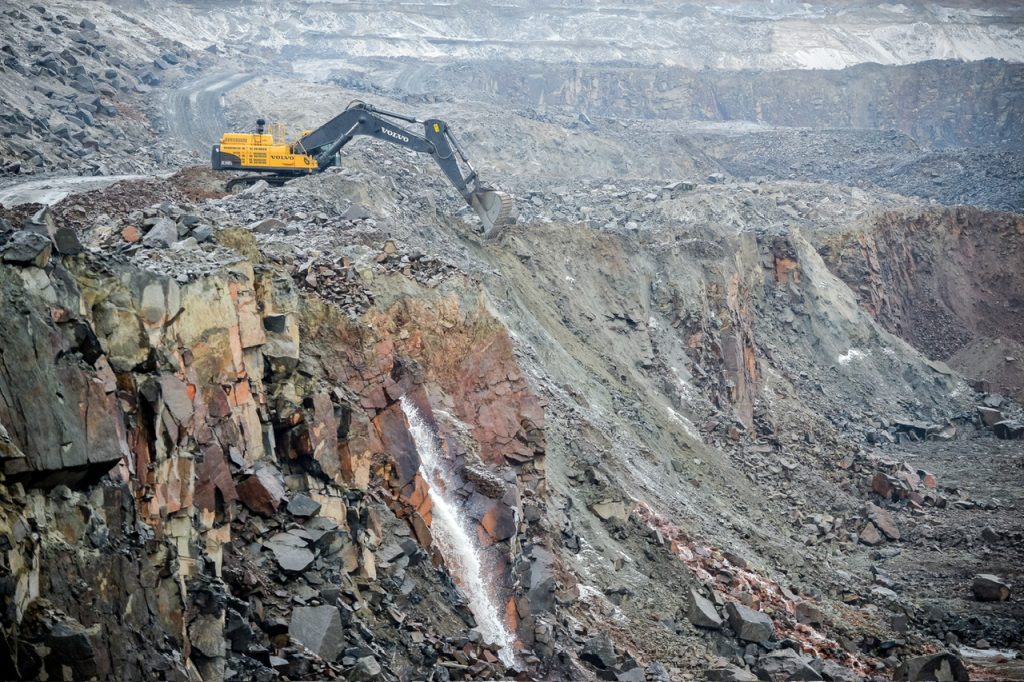
Granite is extracted from large natural deposits called quarries. Specialized equipment cuts massive blocks from the surrounding rock, which are then transported to processing facilities.
Some of the world’s major granite-producing countries include:
- Brazil: Known for colorful granite, dramatic patterns, and exotic varieties.
- India: Produces numerous granite varieties, including Absolute Black and Black Galaxy.
- China: Supplies granite in various colors and finishes for residential and commercial projects.
- Italy: Known for its stone industry, processing expertise, and distribution network.
- Norway: Recognized for distinctive natural stones, including blue and gray varieties.
- United States: Has domestic granite quarries in states such as Georgia, Vermont, and South Dakota.
The country of origin can influence a granite slab’s appearance, availability, and price. However, the quality of the stone also depends on its individual characteristics, extraction, processing, and fabrication.
When visiting granite stores Indianapolis, IN, you may find slabs that have traveled thousands of miles before reaching the showroom. This international sourcing gives homeowners access to a remarkable variety of natural stone.

Where Can You Buy Granite for Your Home?
The best place to purchase granite is a specialized countertop showroom or natural stone supplier. These businesses provide access to different granite slabs and can often coordinate the measurements, fabrication, and installation required for your project.
There are several places where you can shop for granite:
Natural stone showrooms
Stone showrooms allow you to inspect full slabs rather than relying exclusively on small samples. You can compare colors, mineral patterns, veining, and finishes before selecting the material.
Countertop fabricators
Fabricators specialize in cutting, shaping, polishing, and installing stone countertops. Some maintain their own slab inventory, while others source materials through distributors.
Wholesale stone distributors
Wholesale suppliers work with manufacturers, importers, and fabricators. Some allow homeowners to view inventory, although purchasing and installation may need to be arranged separately.
Home improvement retailers
Large home improvement stores sometimes offer granite countertops through third-party suppliers. These options may be convenient for straightforward projects, but the selection and customization process can vary.
For homeowners comparing granite stores Indianapolis, IN, we recommend choosing a supplier that can explain the entire process, from slab selection to final installation.
Working with one experienced countertop company can make communication easier and help keep the project organized.
How Does Granite Travel From a Quarry to Your Kitchen?
Granite goes through several stages before becoming a finished countertop. The process begins at the quarry and continues through cutting, transportation, inspection, fabrication, and installation.
Here is how the journey typically works:
Quarry extraction: Large granite blocks are removed from natural deposits using specialized cutting equipment and machinery.
Block processing: The blocks are transported to processing facilities, where they are cut into thinner slabs using industrial saws and diamond tools.
Surface finishing: The slabs are polished, honed, or leathered depending on the desired appearance.
Inspection and distribution: Processed slabs are inspected, categorized, and shipped to stone distributors and showrooms.
Custom fabrication: Once a homeowner selects a slab, fabricators measure the project, create templates, cut the stone, finish the edges, and prepare the necessary openings.
Installation: The finished pieces are transported to the home, positioned on the cabinetry, secured, and checked for proper alignment.
The entire process can take several weeks, depending on slab availability, transportation, project complexity, and scheduling.
At Granite Depot of Indianapolis, we help customers navigate the countertop selection and fabrication process so that choosing natural stone feels straightforward.
What Types of Granite Can You Find in Stone Showrooms?
Granite comes in an impressive range of colors, patterns, and natural variations. From solid-looking black surfaces to dramatic white and gray slabs, there is a granite variety for almost every interior design style.
Some popular granite varieties include:
| Granite variety | Appearance | Design style |
|---|---|---|
| Absolute Black | Deep, consistent black | Modern and minimalist |
| Black Galaxy | Black background with golden flecks | Contemporary and luxurious |
| Ubatuba | Dark green-black with mineral details | Traditional and modern |
| Luna Pearl | Gray and white granular pattern | Transitional |
| Santa Cecilia | Beige, gold, and brown movement | Warm and traditional |
| Alaska White | Light background with gray and dark details | Contemporary |
| Colonial White | Creamy white with gray and burgundy accents | Classic and elegant |
| Steel Gray | Dark gray with subtle mineral variations | Modern and industrial |
Keep in mind that natural granite slabs are never perfectly identical. Even slabs from the same quarry and stone variety can have differences in color distribution and mineral patterns.
This is why we encourage customers to inspect the actual slab whenever possible. A small sample may provide a general idea of the material, but it cannot show the full pattern of a large kitchen countertop.
If you are exploring granite stores Indianapolis, IN, ask about available slab inventory and whether you can view the specific material before fabrication.
How Much Does Granite Cost?
Granite countertop prices depend on the stone variety, slab quality, thickness, fabrication requirements, and installation complexity. More common granite colors are generally more affordable, while rare and exotic varieties can cost considerably more.
For general budgeting, here are approximate installed price ranges:
| Granite category | Estimated installed price per sq. ft. |
|---|---|
| Entry-level granite | $40–$60 |
| Mid-range granite | $60–$85 |
| Premium granite | $85–$120 |
| Exotic granite | $120–$200+ |
For example, a kitchen requiring approximately 40 square feet of granite countertops could cost:
- Entry-level material: $1,600–$2,400.
- Mid-range material: $2,400–$3,400.
- Premium material: $3,400–$4,800.
- Exotic material: $4,800–$8,000+.
These are general market estimates, not fixed local prices or company quotes. Additional expenses may include demolition, sink cutouts, custom edge profiles, backsplashes, and plumbing work.
The final price also depends on how efficiently the countertop pieces can be cut from the selected slabs. Large islands and complicated layouts may require additional material.
When comparing granite stores Indianapolis, IN, request an estimate that includes the material, fabrication, and installation. This makes it easier to compare different options accurately.
How Do You Choose a Reliable Granite Supplier?
Choosing a reliable granite supplier is just as important as choosing the stone itself. A beautiful slab needs accurate measurements, proper fabrication, and professional installation to perform well in your home.
Before purchasing granite, consider these important factors:
- Material selection: Look for a supplier with a variety of granite colors and patterns.
- Slab inspection: Ask whether you can view the actual slab before fabrication.
- Fabrication experience: Find out what equipment and techniques are used to cut and finish the stone.
- Installation services: Confirm whether the company provides professional countertop installation.
- Transparent estimates: Request a detailed breakdown of project costs.
- Customer reviews: Read feedback about communication, installation quality, and customer service.
- Project timelines: Ask how long measurements, fabrication, and installation typically take.
We also recommend asking about seam placement. Granite countertops are fabricated from large slabs, so seams may be necessary depending on the dimensions of your kitchen.
A knowledgeable fabricator can help determine the best placement to maintain a consistent appearance and minimize visual interruptions in the stone pattern.
At Granite Depot of Indianapolis, we believe that selecting a countertop should involve more than simply choosing a color. Understanding the material and the fabrication process helps homeowners make better decisions.
How Long Does It Take to Get Granite Countertops Installed?
Most granite countertop projects take approximately 1–3 weeks from material selection to installation, depending on the availability of the chosen slab and the complexity of the project.
A typical timeline looks like this:
| Project stage | Estimated timeframe |
|---|---|
| Granite selection | 1–3 days |
| Measurements and templating | 1–3 business days |
| Fabrication | 5–10 business days |
| Installation | Usually 1 day |
| Additional adjustments | 1–3 days, if necessary |
Specialty granite orders may take longer if the selected material needs to be shipped from another country or distributor.
Custom islands, multiple seams, unusual cutouts, and decorative edge profiles can also add time to fabrication.
We recommend selecting your granite before the final stages of a kitchen renovation. This allows the countertop measurements and installation to be coordinated with cabinetry, sinks, and appliances.
What Should You Know About Granite Maintenance Before Buying?
Granite is a durable natural stone, but proper maintenance helps preserve its appearance and protect the surface. Its exact care requirements depend on the individual variety and whether the stone has received an appropriate sealer.
Here are some simple maintenance recommendations:
- Clean the surface with warm water and a pH-neutral stone cleaner.
- Use a soft microfiber cloth instead of abrasive sponges.
- Wipe up wine, coffee, cooking oil, and acidic spills promptly.
- Use cutting boards when preparing food.
- Place trivets under hot cookware.
- Ask your fabricator whether your granite needs periodic sealing.
Some granite varieties are naturally dense and absorb very little liquid, while others are more porous. Therefore, there is no single sealing schedule that works for every slab.
Popular products such as StoneTech BulletProof Sealer and Granite Gold Sealer are designed for natural stone protection. Always check product compatibility and follow the manufacturer’s instructions.
A bottle of granite sealer typically costs approximately $20–$60, depending on the brand and size. Professional sealing services may cost approximately $200–$500 or more, depending on the countertop area and condition.
Why Should You Visit a Granite Showroom Instead of Buying Online?
Visiting a showroom gives you the opportunity to see the actual stone, compare different varieties, and discuss your project with countertop professionals. Online photographs are useful for inspiration, but lighting, screen settings, and image quality can change how granite appears.
There are several advantages to shopping in person:
- You can inspect the full slab and its natural variations.
- You can compare different colors side by side.
- You can evaluate polished and textured finishes.
- You can discuss countertop thickness and edge profiles.
- You can ask about fabrication and installation.
- You can receive guidance on material maintenance.
This is especially important when selecting granite for a large kitchen island or an open-concept kitchen. A pattern that looks subtle in a photograph may appear much more dramatic across a full countertop.
If you are searching for granite stores Indianapolis, IN, visiting a local showroom is a practical way to narrow down your choices and find a stone that works with your cabinetry and flooring.
Frequently Asked Questions About Buying Granite
Where is granite originally mined?
Granite is mined in countries around the world, including Brazil, India, China, Italy, and the United States. Each region produces different varieties with distinctive colors and patterns.
Can I buy granite directly from a quarry?
In some cases, yes. However, purchasing directly from a quarry can involve transportation, processing, and fabrication arrangements. Most homeowners find it easier to work with a local stone supplier or countertop fabricator.
Is granite better than quartz for kitchen countertops?
Both materials have advantages. Granite is a natural stone with excellent heat resistance and unique patterns, while engineered quartz is nonporous and generally requires less maintenance.
How can I tell if granite is good quality?
Look for consistent fabrication quality, appropriate slab condition, and a stone variety suitable for your application. Natural variations are normal, so color consistency alone does not determine quality.
Does granite need to be sealed after installation?
Some varieties benefit from sealing, while others may need little additional protection. Ask your fabricator about the porosity of your specific stone.
How long do granite countertops last?
With professional installation and appropriate maintenance, granite countertops can last for decades and potentially the lifetime of your kitchen.
Can I get custom granite countertops in Indianapolis?
Yes. Local countertop companies can help you select granite slabs, measure your kitchen, fabricate custom pieces, and install the finished countertops.
Visit Granite Depot of Indianapolis for Your Granite Countertops
Granite travels a long way from natural quarries to residential kitchens, but finding the right stone for your home does not have to be complicated. The key is choosing a reliable countertop company that can help you explore available materials and understand the entire process.
At Granite Depot of Indianapolis, we help homeowners select beautiful natural stone and create countertops that combine durability, functionality, and attractive design. Our services include granite, quartz, quartzite, and marble countertop selection, custom fabrication, and professional installation.
Whether you are planning a complete kitchen renovation, updating an existing countertop, or designing a new bathroom vanity, our team is ready to help.
If you are searching for granite stores Indianapolis, IN, visit our showroom to explore available stone options and discuss your project with our team.
Granite Depot of Indianapolis
- Address: 1175 W 16th St, Indianapolis, IN 46202
- Phone: (317) 548-1060
- Website: https://granitedepotindy.com/
- Stone Selection: https://granitedepotindy.com/stone/
- Services: Granite, quartz, quartzite, and marble countertops, custom fabrication, and professional countertop installation.
Contact us or stop by our showroom to explore different materials and find the right countertop for your home. We look forward to helping you bring your renovation ideas to life.