

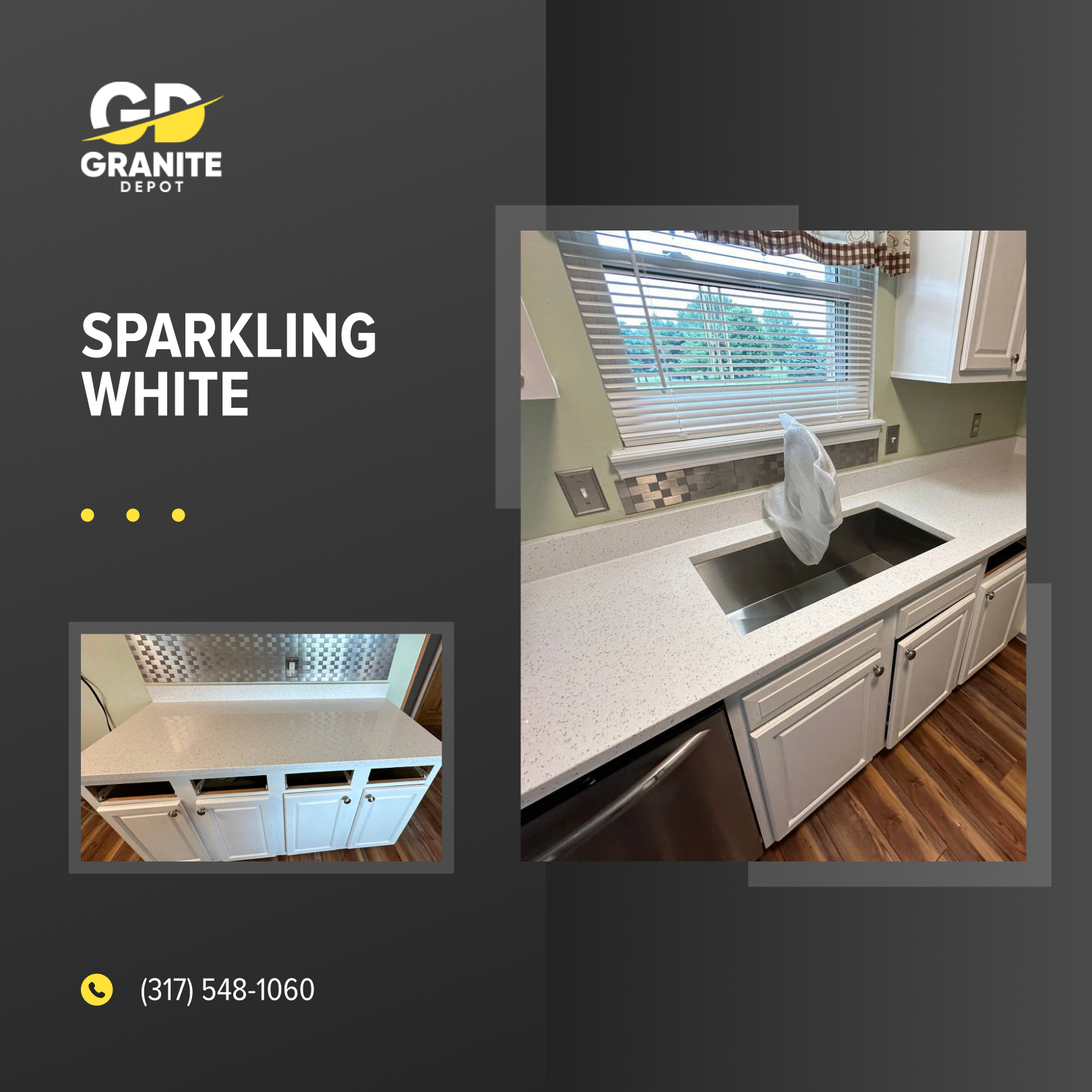
When it comes to designing or renovating a home, selecting the right countertops for your kitchen and bathroom is a crucial decision. While these surfaces serve similar purposes in different areas of the home, there are key differences between kitchen countertops and bathroom countertops that you should consider. At Granite Depot of Indianapolis, we understand the importance of choosing the right materials and designs to match the functionality and style of each space. In this article, we’ll explore the differences between kitchen and bathroom countertops, helping you make informed decisions that will enhance the beauty and utility of your home.
Purpose and Functionality
The primary difference between kitchen countertops and bathroom countertops lies in their purpose and functionality. Both surfaces need to be durable, easy to maintain, and visually appealing, but the demands placed on them vary significantly based on their location in the home.
Kitchen Countertops
Kitchen countertops are among the most heavily used surfaces in the home. They need to withstand a wide range of activities, including food preparation, cooking, cleaning, and even the occasional impact from heavy pots and pans. As a result, kitchen countertops must be made from materials that are not only durable but also resistant to heat, stains, and scratches.
Because the kitchen is often the heart of the home, countertops Fishers, IN residents choose for their kitchens need to balance functionality with aesthetic appeal. These surfaces should complement the overall design of the kitchen while offering the resilience needed to handle daily wear and tear.
Bathroom Countertops
Bathroom countertops, on the other hand, are primarily used for personal grooming tasks such as washing hands, brushing teeth, and applying makeup. While they don’t endure the same level of use as kitchen countertops, they are frequently exposed to moisture, soaps, and cosmetics, making water resistance and ease of cleaning essential features.
In addition, bathroom countertops are often smaller in size compared to kitchen countertops, allowing for more flexibility in material choices. The design of bathroom countertops can be more decorative, focusing on creating a serene and elegant environment.
Material Selection
Another key difference between kitchen and bathroom countertops is the range of materials suitable for each space. While there is some overlap, certain materials are better suited to the demands of one area over the other.
Materials for Kitchen Countertops
When choosing countertops Fishers, IN homeowners often prioritize materials that can withstand the rigors of kitchen use. The most popular options include:
- Granite: Known for its durability and natural beauty, granite is a top choice for kitchen countertops. It is heat-resistant, scratch-resistant, and available in a wide range of colors and patterns, making it both practical and aesthetically pleasing.
- Quartz: Quartz is an engineered stone that offers the durability of natural stone with added benefits. It is non-porous, making it resistant to stains and bacteria, and requires minimal maintenance. Quartz is available in a variety of colors and patterns, making it easy to find a style that matches your kitchen design.
- Marble: While marble is often considered a luxury material, it is not as durable as granite or quartz. It is more prone to staining and scratching, which makes it less ideal for high-traffic kitchen areas. However, its elegant appearance makes it a popular choice for homeowners seeking a sophisticated look.
Materials for Bathroom Countertops
In the bathroom, the focus is often on creating a serene and stylish space. The materials chosen for bathroom countertops need to be water-resistant and easy to clean, but they don’t need to withstand the same level of wear and tear as kitchen countertops. Popular options include:
- Marble: Marble is a classic choice for bathroom countertops, offering timeless beauty and elegance. While it requires more maintenance than other materials, its aesthetic appeal makes it a favorite for creating a luxurious bathroom environment.
- Quartz: Quartz is also a popular choice for bathroom countertops due to its durability and low maintenance requirements. Its non-porous surface makes it resistant to water and stains, which is particularly important in a bathroom setting.
- Granite: Granite is another excellent option for bathroom countertops, offering a combination of beauty and durability. It is resistant to moisture and can handle the demands of daily bathroom use, making it a versatile choice.
Size and Layout Considerations
The size and layout of kitchen and bathroom countertops also differ significantly, influencing the design and installation process.
Kitchen Countertops
Kitchen countertops are typically larger and more expansive than bathroom countertops. They often need to accommodate a variety of appliances, such as stoves, sinks, and dishwashers, as well as provide ample workspace for food preparation. This means that kitchen countertops are usually installed in longer runs, and may include features such as kitchen islands, peninsulas, or bar tops.
When planning the layout of kitchen countertops, it’s important to consider the workflow of the space. Countertops Fishers, IN residents choose should enhance the efficiency of the kitchen by providing adequate prep space, easy access to appliances, and room for storage.
Bathroom Countertops
Bathroom countertops, on the other hand, are generally smaller and more focused on aesthetics. They are typically installed on vanity cabinets, and the layout may include one or more sinks, depending on the size of the bathroom. Because bathroom countertops are smaller, homeowners have more flexibility in choosing materials and design elements that might be cost-prohibitive in larger kitchen spaces.
In addition, bathroom countertops often incorporate integrated sinks or vessel sinks, which can influence the overall design and functionality of the space. The height and depth of the countertop should also be considered to ensure it meets the needs of the users.
Maintenance Requirements
Both kitchen and bathroom countertops require regular maintenance to keep them looking their best, but the specific maintenance needs can vary based on the material and location.
Maintenance for Kitchen Countertops
Given the heavy use and exposure to food, heat, and moisture, kitchen countertops require materials that are easy to clean and maintain. Regular cleaning with mild soap and water is usually sufficient for most surfaces, but specific materials may require additional care:
- Granite: Granite countertops should be sealed regularly to maintain their resistance to stains and moisture. Spills should be wiped up promptly to prevent staining, and the surface should be cleaned with stone-safe products.
- Quartz: Quartz countertops are low maintenance and only require regular cleaning with mild soap and water. They do not need to be sealed, but it’s important to avoid using harsh chemicals or abrasive cleaners.
- Marble: Marble countertops require more maintenance than other materials, as they are prone to scratching and staining. Regular sealing is necessary, and care should be taken to avoid acidic substances that can etch the surface.
Maintenance for Bathroom Countertops
Bathroom countertops are exposed to moisture, soaps, and cosmetics, so it’s important to choose materials that are easy to clean and resistant to water damage. Maintenance requirements for bathroom countertops are generally less demanding than for kitchen countertops:
- Marble: Like in the kitchen, marble bathroom countertops require regular sealing and gentle cleaning to prevent staining and etching.
- Quartz: Quartz bathroom countertops are low maintenance, requiring only regular cleaning with mild soap and water. Their non-porous nature makes them resistant to water and stains.
- Granite: Granite bathroom countertops should be sealed periodically and cleaned with stone-safe products. They are durable and resistant to moisture, making them a practical choice for the bathroom.
Cost Considerations
The cost of kitchen and bathroom countertops can vary widely depending on the material, size, and complexity of the installation. Typically, kitchen countertops are more expensive due to their larger size and the need for more durable materials.
Kitchen Countertop Costs
Given the larger surface area and higher durability requirements, kitchen countertops tend to be a more significant investment. Materials like granite and quartz, while more expensive, offer the durability needed for kitchen use. The cost will also be influenced by the complexity of the layout and any custom features, such as backsplashes or integrated sinks.
Bathroom Countertop Costs
Bathroom countertops are generally smaller and may be less expensive than kitchen countertops, especially if you choose luxury materials like marble. The smaller surface area allows for more flexibility in material choices without significantly impacting the budget.
While kitchen and bathroom countertops serve similar purposes, the differences in their functionality, material requirements, size, and maintenance needs are significant. Understanding these differences will help you make informed decisions when selecting countertops Fishers, IN homeowners need for their kitchens and bathrooms. At Granite Depot of Indianapolis, we offer a wide range of countertop materials and expert installation services to ensure that your countertops meet your specific needs and enhance the beauty of your home.
Whether you’re renovating your kitchen, upgrading your bathroom, or both, our team at Granite Depot of Indianapolis is here to help you every step of the way. Contact us today to learn more about our products and services, and let us help you create the perfect countertops for your home.