


Quartz countertops are a popular choice for kitchens and bathrooms due to their durability, low maintenance, and attractive appearance. They are composed of natural quartz crystals combined with resins and polymers, creating a non-porous surface that is resistant to staining and scratching. However, when it comes to outdoor use, quartz countertops are not the ideal choice. Many homeowners wonder why quartz countertops are not suitable for outdoor environments, especially when other materials like granite and marble are commonly used for exterior surfaces.
If you are considering updating your outdoor space and are thinking about installing quartz countertops Anderson, IN, it’s important to understand why quartz may not be the best material for outdoor settings. In this article, we’ll explore the limitations of quartz countertops when exposed to the elements, the factors that affect their performance outdoors, and alternatives that can help you create a beautiful and functional outdoor space.
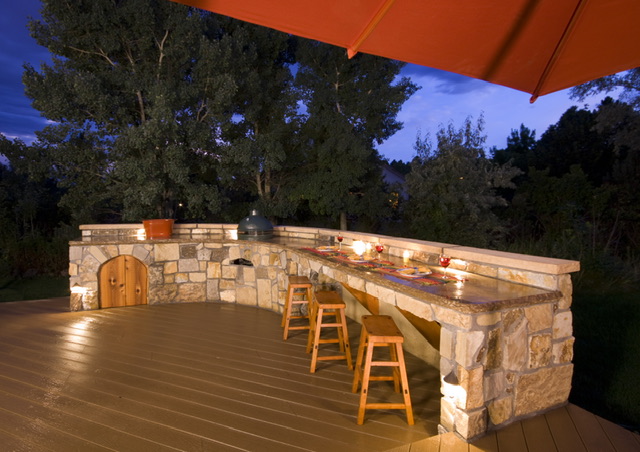
The Composition of Quartz Countertops and How It Affects Outdoor Durability
Quartz countertops are engineered surfaces made from 90-95% natural quartz crystals, which are bound together with resins and polymers. This combination makes quartz countertops incredibly durable in indoor environments, where they are protected from extreme temperatures, moisture, and UV rays. However, these same qualities that make quartz countertops suitable for interior use become problematic when exposed to the harsh conditions of the outdoors.
1. UV Sensitivity
One of the most significant reasons quartz countertops Anderson, IN, are not suitable for outdoor use is their sensitivity to ultraviolet (UV) rays. The resins and polymers used to bind the quartz crystals together can break down when exposed to direct sunlight over time. This exposure causes the colors in the quartz to fade and the surface to lose its luster. In outdoor environments, where the countertop will be exposed to sunlight for extended periods, the material will degrade more quickly, resulting in discoloration and a dull appearance.
Quartz countertops may appear beautiful when first installed, but their inability to withstand UV rays makes them less than ideal for use in patios, outdoor kitchens, and other exterior areas where direct sunlight is unavoidable.
2. Heat Sensitivity
Another factor that limits the use of quartz countertops Anderson, IN, outdoors is their sensitivity to heat. Unlike granite countertops, which are naturally heat-resistant due to their mineral composition, quartz countertops contain resins that can melt or deform under high temperatures. This makes quartz countertops highly susceptible to damage from hot cookware, grills, or outdoor heaters.
If you place a hot pan or grill surface directly on a quartz countertop outdoors, the resins may melt or warp, leaving behind permanent marks or damage to the surface. This issue is especially concerning in outdoor kitchens, where cooking often involves high temperatures and exposure to direct heat.
3. Moisture Absorption
While quartz countertops are non-porous, meaning they resist moisture penetration indoors, they are not impervious to moisture when exposed to the outdoor environment. Constant exposure to moisture, especially in climates with high humidity or frequent rain, can cause the resins and polymers in quartz countertops to break down over time. As a result, the surface may become more prone to cracking and warping.
Outdoor environments, with their exposure to rain, snow, and dew, can cause the countertop to absorb moisture, leading to structural damage. This is especially problematic in climates with fluctuating temperatures, where the freeze-thaw cycle can cause further damage to quartz surfaces.
The Effect of Outdoor Elements on Quartz Countertops
1. Temperature Fluctuations
Outdoor environments experience drastic temperature fluctuations, especially during seasonal changes. During the summer, surfaces exposed to direct sunlight can become extremely hot, while in the winter, temperatures can drop well below freezing. These extreme temperature changes are not ideal for quartz countertops, as they can cause the material to expand and contract. Over time, this movement can lead to cracking or warping, which significantly reduces the lifespan of the countertop.
Unlike natural stone surfaces such as granite, which are more tolerant of temperature changes, quartz countertops are more likely to suffer from thermal shock when exposed to drastic shifts in temperature. Therefore, installing quartz countertops Anderson, IN, outdoors could result in irreversible damage over time due to temperature fluctuations.
2. Environmental Wear and Tear
Outdoor countertops are constantly exposed to the elements, including dirt, debris, dust, and pollen, which can accumulate on the surface. While quartz countertops are low-maintenance indoors, the outdoor environment presents a higher risk of debris buildup. This debris can scratch and dull the surface of quartz, diminishing its appearance and making it more difficult to clean.
In addition to dirt, outdoor countertops are also exposed to natural elements like tree sap, bird droppings, and leaves, which can cause stains or leave marks on the surface. Quartz countertops, although resistant to stains indoors, may struggle to maintain their pristine appearance in outdoor conditions due to prolonged exposure to these types of contaminants.
3. Weathering and Aging
Over time, outdoor environments can cause wear and tear on almost any material. Even the most durable surfaces can be affected by weathering, especially in areas with high winds, rain, or extreme temperatures. For quartz countertops Anderson, IN, the aging process can result in significant changes to the surface, including fading, discoloration, and structural damage.
The UV rays, moisture, and temperature fluctuations in outdoor environments cause quartz to break down faster than it would indoors. As a result, quartz countertops exposed to these elements can show signs of aging much more quickly than they would in a controlled indoor setting.
Alternatives to Quartz for Outdoor Countertops
If you’re set on using a durable material for your outdoor kitchen or patio, it’s essential to consider alternative options that are better suited to the outdoor environment. Several materials are more appropriate for outdoor use than quartz, offering better resistance to heat, UV rays, and moisture.
1. Granite Countertops
Granite is one of the best materials for outdoor countertops. It is naturally heat-resistant, UV-resistant, and highly durable. Granite countertops are also impervious to moisture, making them ideal for outdoor kitchens and patios where the countertop will be exposed to varying weather conditions. If you’re looking for a high-quality stone surface that can withstand the elements, granite countertops from Granite Depot of Indianapolis may be a perfect solution for your outdoor space.
2. Marble Countertops
Marble is another excellent option for outdoor use, although it is not as durable as granite. Marble countertops are naturally cool to the touch and offer a sophisticated aesthetic for outdoor spaces. However, marble requires regular maintenance to prevent staining, especially in areas with high moisture levels.
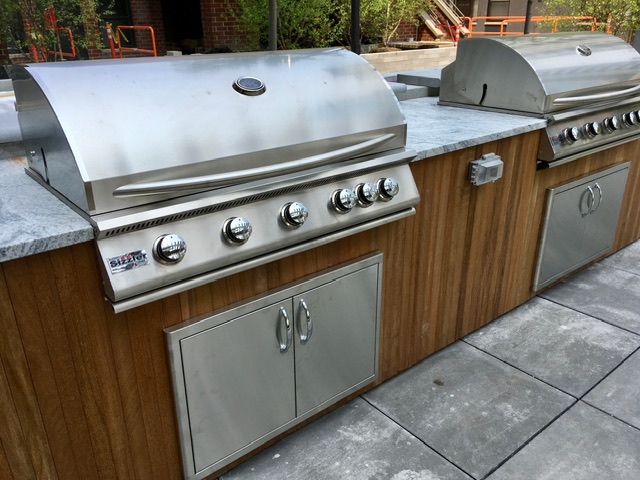
Professional Advice from Granite Depot of Indianapolis
If you are still unsure about the best countertop material for your outdoor space, seeking professional advice is always a good idea. Granite Depot of Indianapolis can help guide you in selecting the right material for your needs, ensuring you make a well-informed decision based on your specific requirements. Whether you are looking for granite, marble, or another stone material, their team of experts can help you choose the best option for your outdoor space.
For those interested in installing quartz countertops Anderson, IN, indoors, Granite Depot of Indianapolis offers high-quality options that will add elegance and functionality to your home.
Outdoor spaces require materials that can endure the elements, and while quartz is an excellent choice for indoor countertops, it’s best to explore other options for your exterior surfaces. Consider granite, concrete, marble, or soapstone for your outdoor kitchen, patio, or other outdoor areas to ensure your countertops remain beautiful and functional for years to come.